Cochlear implant users in Scotland can request spare parts and batteries free of charge from the Scottish Cochlear Implant Programme. To do this contact us either by phone, email or text. Please make sure you always have a spare cable and microphone cover at home. We send replacement processors by next day delivery, all other items are sent by second class post which can take 7-10 days. Please request batteries in plenty of time. Read the sections below for more information on how to manage your cochlear implant equipment.
Troubleshooting
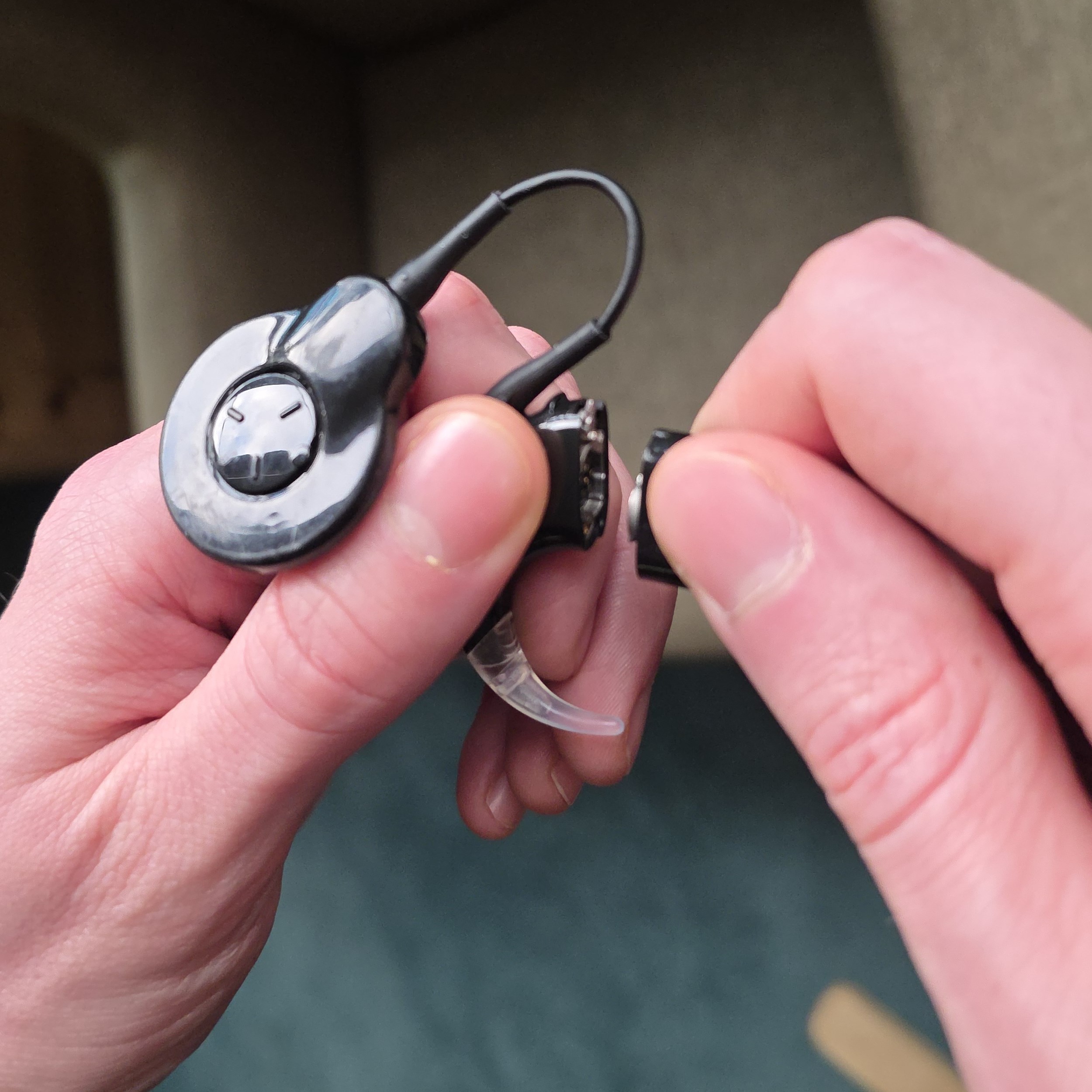
Learn what to do if you have a problem with your cochlear implant equipment..
Read more
Lost processors

If you lose your processor please tell the clinic immediately...
Read more
Extra devices

Extra devices may help you get more from your implant...
Read more
Travelling

If you are planning a holiday we recommend you take spare parts with you...
Read more
If your processor is not working please contact the clinic for advice. Check your switch on or upgrade kit for quick guides and spare parts too. Each manufacturer has manuals and troubleshooting guides on their website. Most also have helpful YouTube videos.
Follow the link below for your manufacturer then click on your processor type to see the troubleshooting guides. Please contact us if you can't find the information you are looking for.
A processor is very expensive. If you lose your processor please tell the clinic immediately. Look for it carefully as the coil contains a strong magnet which may have attached itself to a metal object close by. Depending on which processor and phone you have you may be able to use an app to help you find your processor if you lose it:
If you lose your processor it will be replaced but the clinic will inform you of the steps you need to take before this can happen. Processors are upgraded to the newest model every 5 years but losing one may affect the date of your next upgrade.
If you are planning a trip please consider taking a spare cable and microphone covers. You should also take plenty of batteries (and your charger if relevant). You may also need your dehumidifier (“dry box”) and aqua kit if you have one.
The clinic is unable to provide spare processors for holidays but they can be borrowed from the implant companies for a fee. To borrow a processor either fill in a form on the company website or email the company directly using the details below. The company will contact the clinic for your settings. The spare processor will then be sent directly to your home address. Please do this at least a month before you are due to travel.
If you are travelling through an airport then follow this general advice:
- Pack spare parts in your carry-on bag along with your batteries and charger (check with individual airlines for policy regarding batteries).
- Inform airport security that you have a cochlear implant and show cochlear implant I.D. card if requested.
- Walking through a security scanner will not harm your implant or processor. You may hear buzzing noises as you walk through so you may prefer to switch the processor off. You are likely to set off the alarm so a hand scan may be needed.
- If you are asked to put your processor through X-ray machine with your hand luggage most manufacturers advise you should put your processor in a case inside a bag rather than directly into tray. Advanced Bionics recommend carrying or wearing the processor.
- Once on the flight, let the staff know you have a Cochlear Implant. Some airlines will ask you to put your processor in flight mode during take-off and landing.
Travel advice is generally included in your processor hand book which is given at a switch on or upgrade appointment. Please contact the clinic if you need a copy.
Read some top tips for travelling from Peter, an experienced CI user and traveller, here.