Adult Surgery
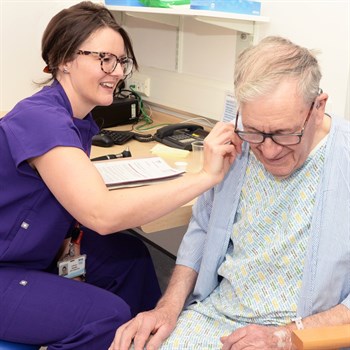
Find out what happens when an adult has CI surgery. Read more
Children's Surgery

Find out what happens when a child has CI surgery... Read more
Additional Information
Read more about surgical risks and top-tips for surgery. Read more
Before your surgery
Our ENT secretaries will be in touch with you to arrange a suitable date for your operation. They will tell you when and where to report to. They will also give you information about when you should start fasting. It is very important that you fast before your surgery, although you will be allowed to sip water up until you are called for surgery
On the day of your surgery
See the step-by-step guide below which describes what will happen on the day of your surgery
Arrival
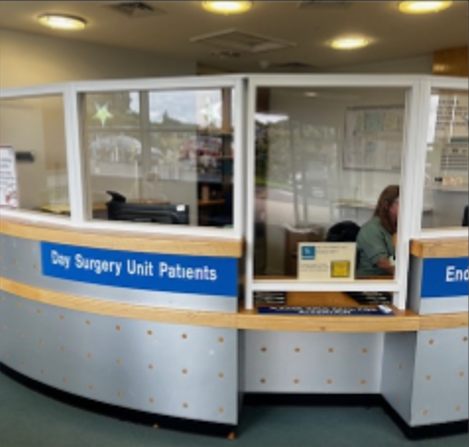
You will arrive at the day surgery unit at Crosshouse hospital and check in at reception.
Nurse checks
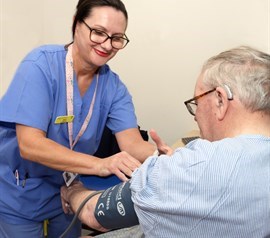
You will be asked to change into a hospital gown. A nurse will take some measurements (blood pressure, oxygen etc).
Meet your anaesthetist
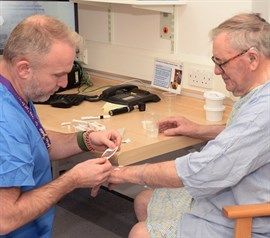
You will meet your anaesthetist. They will tell you about your anaesthetic and will put a cannula (needle) in your hand.
Meet your surgeon
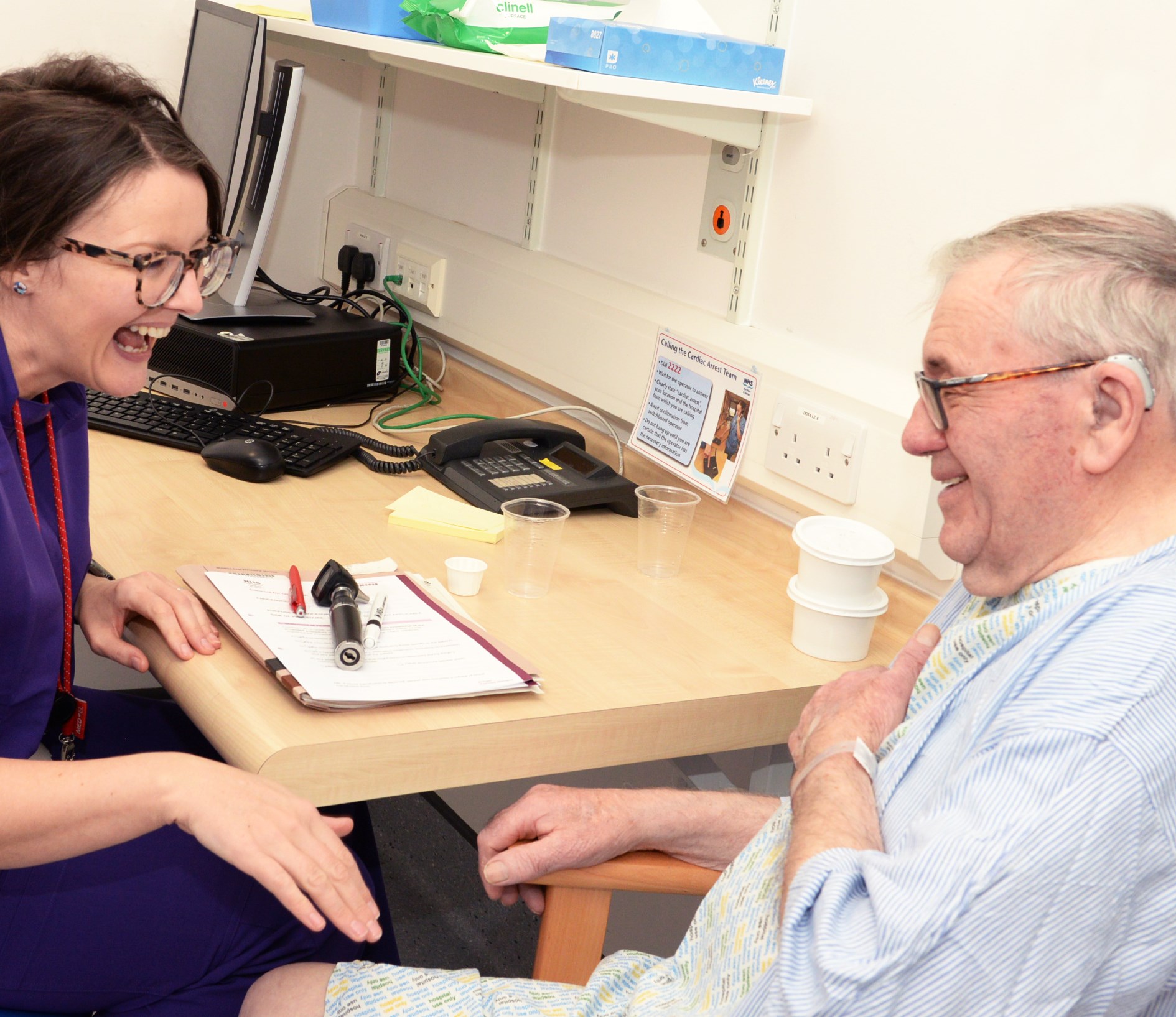

You will meet your surgeon and they will speak to you about your operation.
Ear check
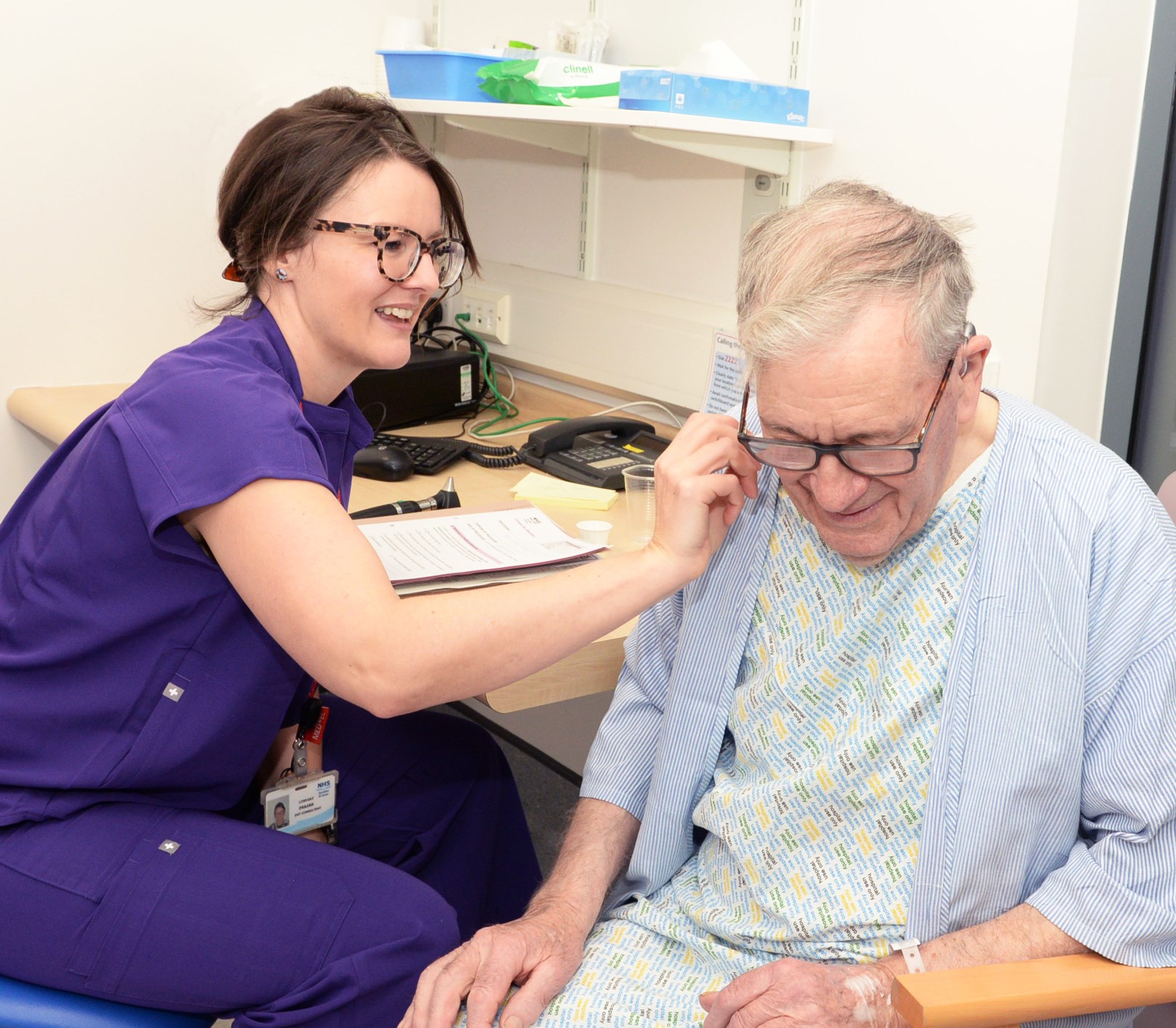
Your surgeon will check your ear and will make a pen mark on the ear you are going to have implanted.
Consent
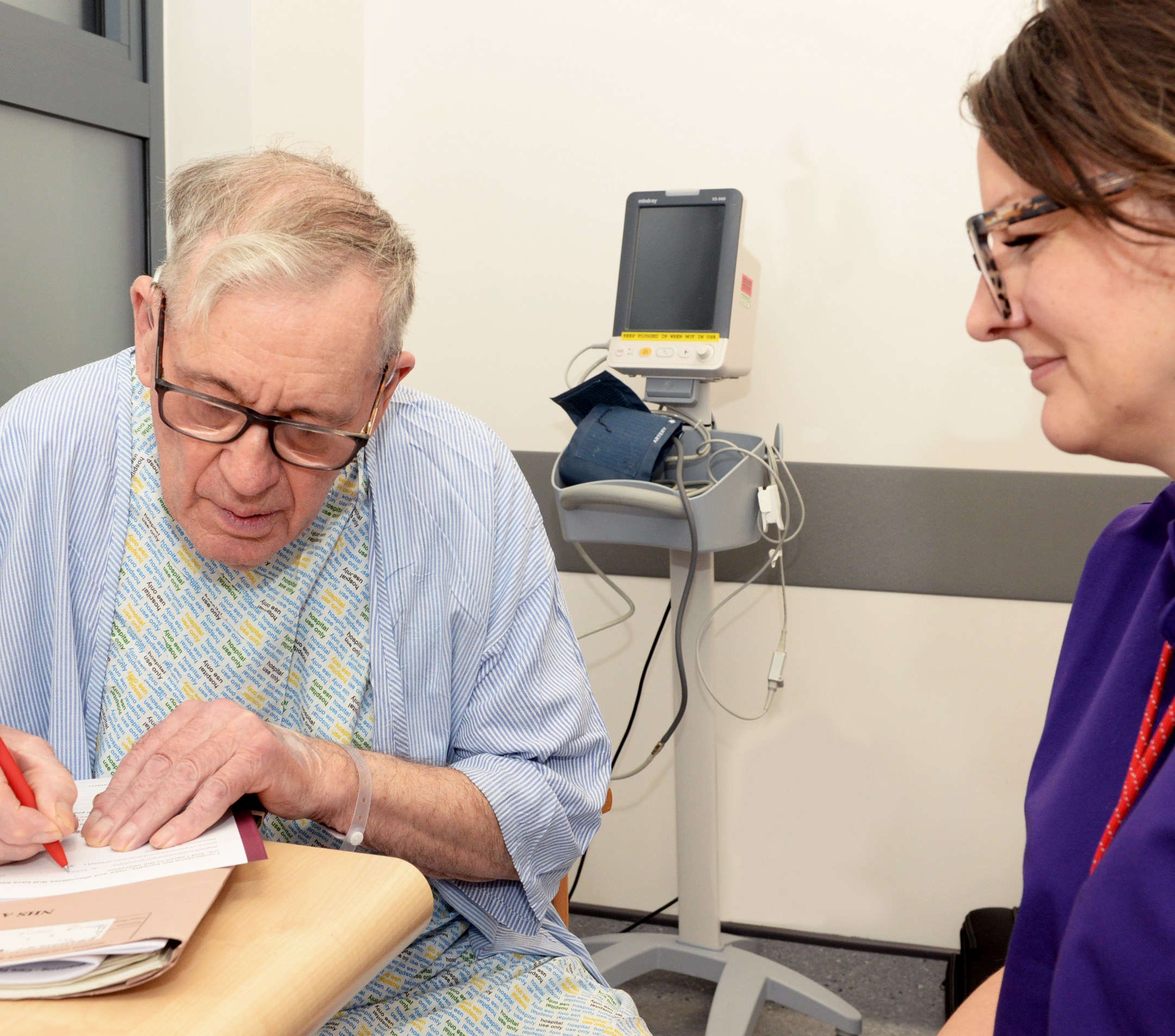

After speaking to your surgeon and asking any questions you have, you will sign a form to consent to surgery.
Theatre
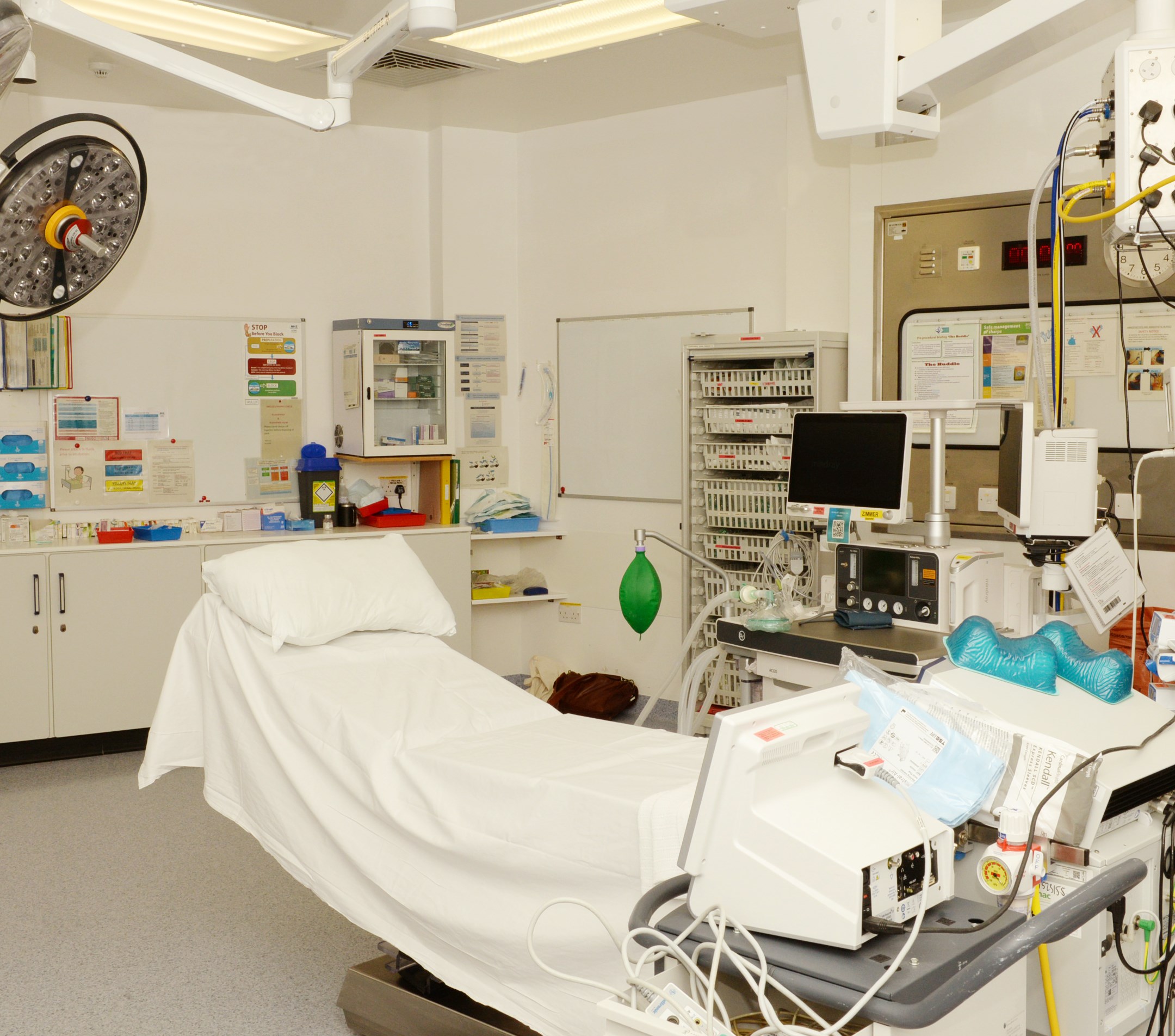

You will wait in the waiting area. A nurse will call you and walk with you to theatre. You will lie on the bed. An oxygen mask will be put on your mouth. Your anaesthetic will be put into the cannula in your hand.
Surgery
A unilateral cochlear implant (on one side) takes one to three hours.
Recovery
You will remain in recovery until you are ready to go home or be transferred to a ward. You will have a bandage on your head. You might feel a bit sore, sick or dizzy. Your nurses will give you medicine to help with this.
After Surgery
- You will have an x-ray before you go home.
- You can remove the bandage the next day.
- Your nurse will give you information and medicine to take home.
- Keep your wound clean and dry for 72 hours (no hair washing for 72 hours).
- You will have dissolvable stitches - these don't need to be removed and should dissolve within a couple of weeks.
- Take things easy for one to two weeks following surgery.
Before your child's surgery
Our ENT secretaries will be in touch to arrange a suitable date for your child's operation. They will tell you when and where to report to. They will also give you information about when you should start fasting. It is very important that your child fasts before your surgery (no food or milk), although they will be allowed to sip water up until they are called for surgery.
On the day of surgery
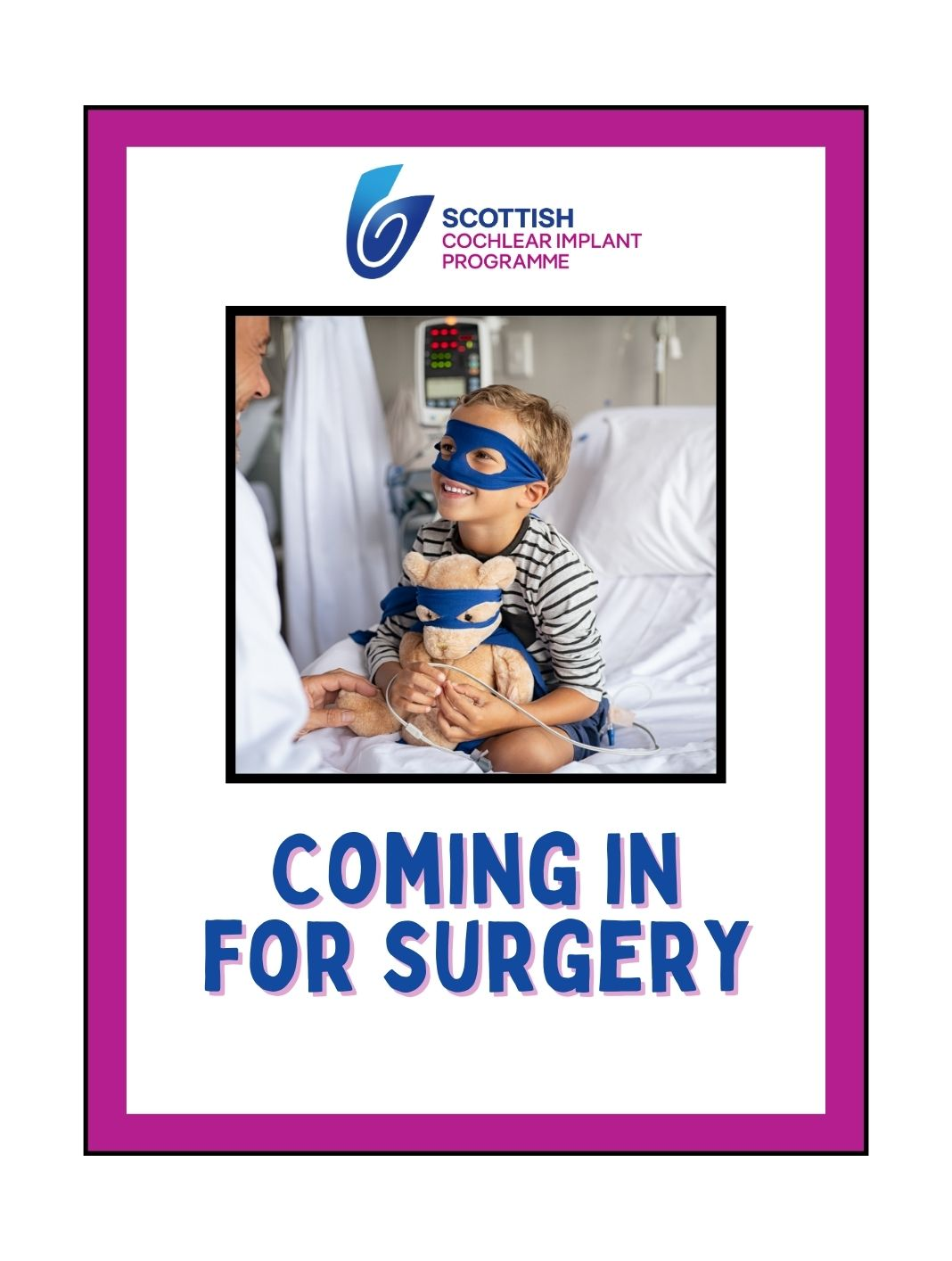
The booklet below is a social story that you can use with your child to show them what happens on the day of surgery.
Click on the picture to see more.
After surgery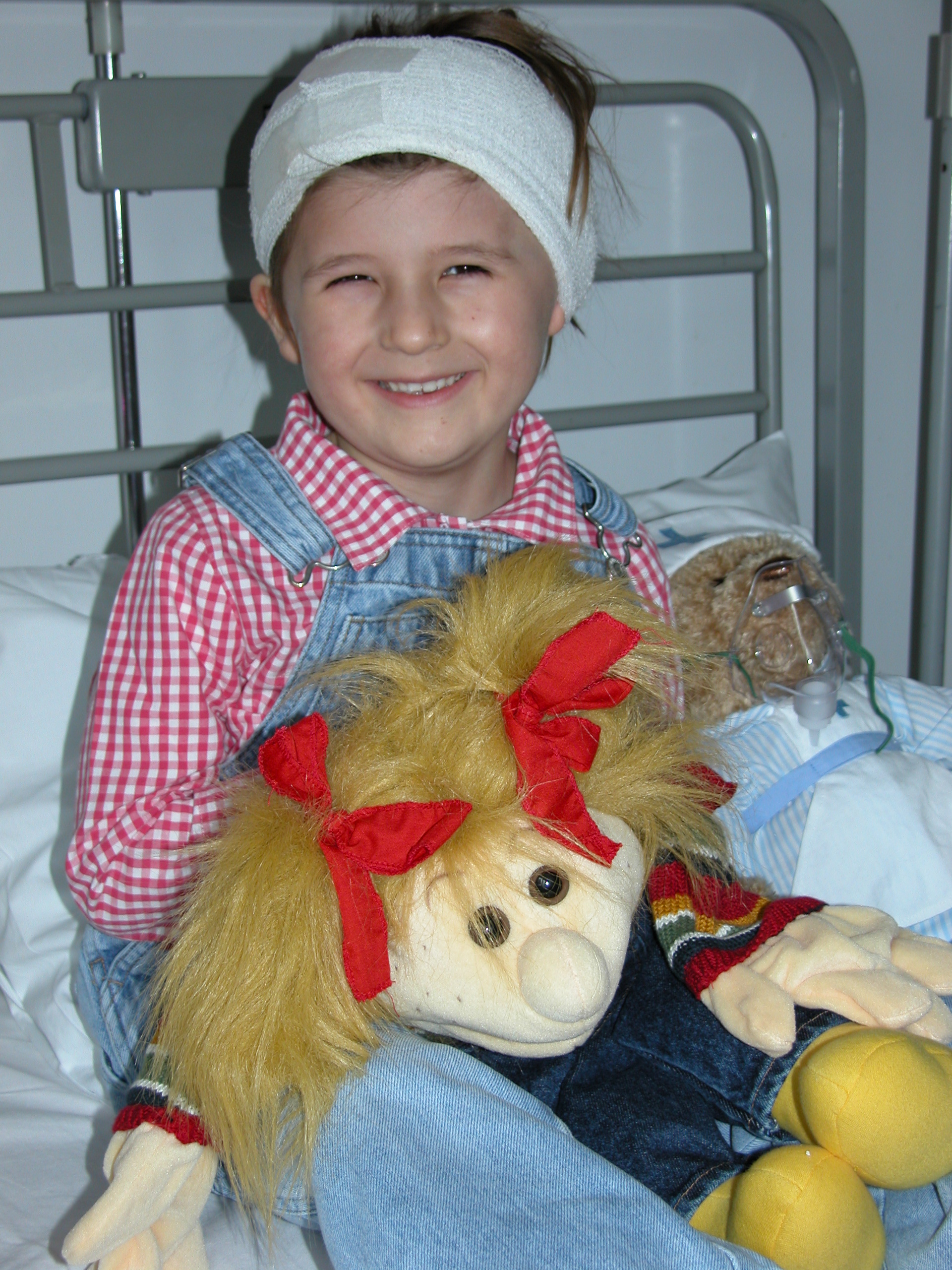
- Your child will have an x-ray before you go home.
- Most children are up and about the day after surgery but they might be a bit unsteady for a few days. Your child's nurse will give you information and medicine to take home.
- Try to keep the bandage on for 24 hours.
- Your child will have dissolvable stiches - these don't need to be removed and should dissolve within a couple of weeks.
- Keep your child's wound clean and dry for 72 hours (no hair washing for 72 hours)
________________________________________________________________________________________________________________________________
It may be possible for some adults, to have their cochlear implant operation under a local anaesthetic.
This information booklet gives you information about the benefits and downsides of local anaesthetic.
Watch the video below to hear Caroline talk about her experience of having cochlear implant surgery a local anaesthetic.
Risks of Surgery
Cochlear implantation has an excellent record and is generally straightforward.
This information booklet gives you information about the surgery and the risk or complications that are associated with it.
Patient Experiences
Watch our cochlear implant users describe their experiences of surgery in the videos below. Read and watch more patient stories here.
Top tips for surgery
We asked some of our cochlear implant users what their top tips for surgery were:
-
Bring button up PJ's and clothes as it can be difficult to get clothes over your head after surgery.
-
I need my glasses to support lipreading, but there was no way I could get them on over the bandage immediately after surgery. My implant was on the right, so I took the right arm off an old pair of glasses, then I could balance them on the other ear and my nose so I could see to follow the nurses talking to me after the operation.
-
Bring a book to read or something to entertain you whilst waiting
-
Bring a bobble for long hair to be tied up tidily during the operation
-
If you prefer to communicate with a whiteboard or talk-type app, bring this along on the day to help you chat with the doctors/ nurses looking after you.
Top tips from Angus's Mum for surgery